Educational Insights on Natural Formulations
Understanding plant-derived ingredients that support active living and physical well-being
Learn MoreUnderstanding Natural Complex Support
Overview of plant-based approaches to physical stability and everyday wellness
What is Known About Natural Complexes
Natural formulations have been studied for their potential role in supporting physical stability and joint comfort. Various botanical compounds have been researched for their nutritional properties and bioavailability in active populations.
These complexes are designed around understanding how plant-derived compounds may support everyday physical performance through their traditional and contemporary nutritional context.
Research continues to explore how different botanical ingredients contribute to maintaining overall physical well-being in active individuals.
Explore Background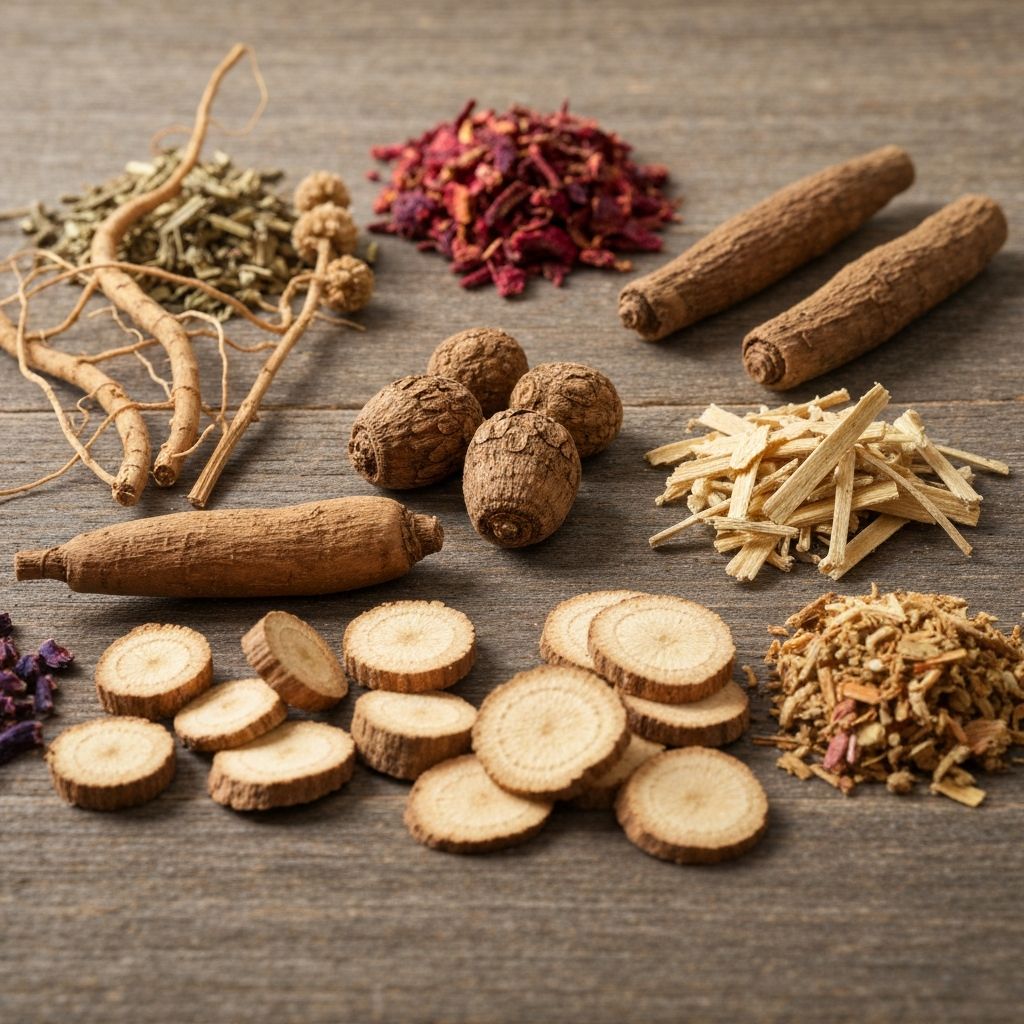
Role of Plant-Derived Compounds
How botanical components contribute to nutritional support
Botanical Support for Active Living
Plant compounds have been traditionally used to support physical comfort and stability. Modern research examines how specific botanical constituents interact with the body's natural systems.
Different plant species contribute unique nutritional profiles that support various aspects of physical well-being, from joint flexibility to energy metabolism.
Understanding these botanical components helps explain why natural formulations remain relevant to health-conscious individuals pursuing active lifestyles.
View Scientific Notes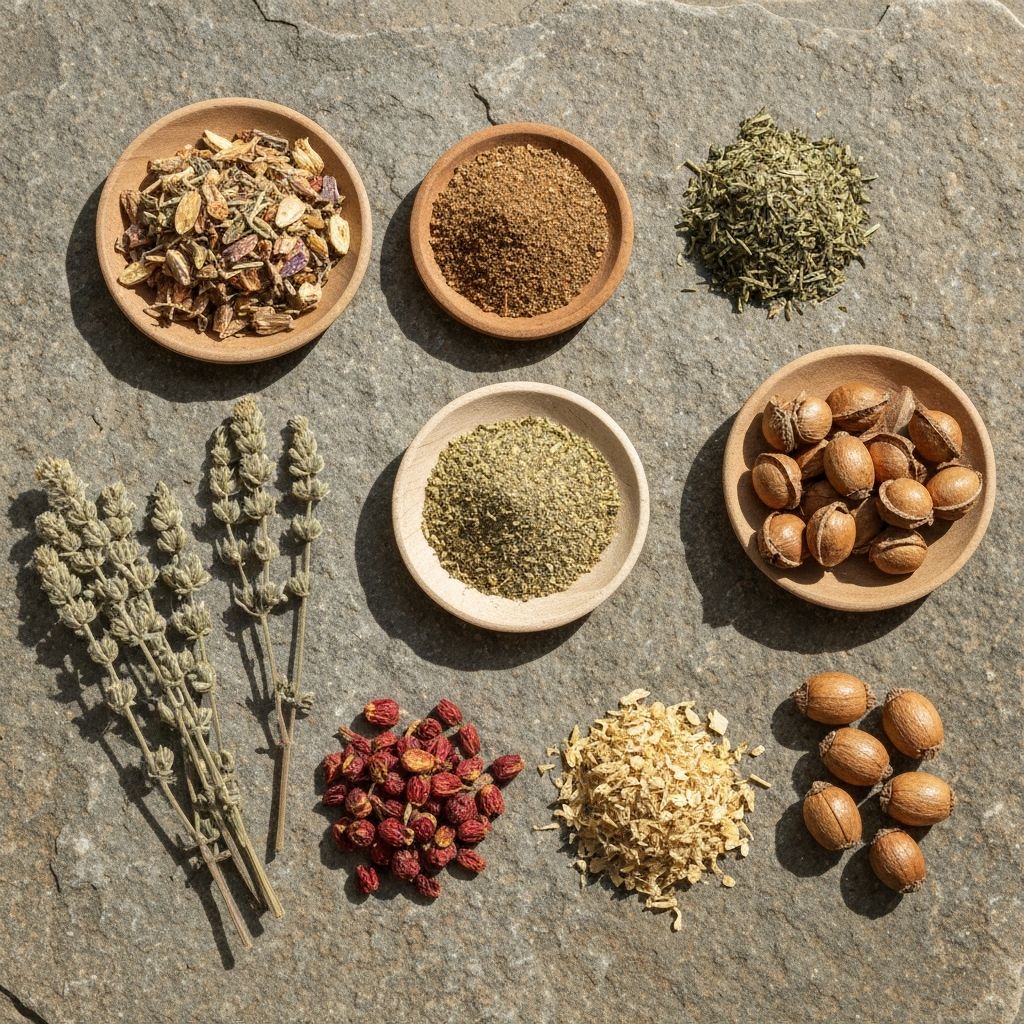
Alpine Herbal Traditions
Historical context of mountain plant traditions in European wellness practices
Solid Alpine Herbs and Stability
Alpine regions have long been sources of powerful botanical materials. Austrian mountain environments produce hardy herbs known for their robust composition and traditional use in wellness practices.
These mountain-grown plants are valued for their density, nutrient concentration, and historical significance in Central European natural approaches to physical well-being.
The austere mountain climate contributes to the development of hardy botanical species with unique properties.
Learn More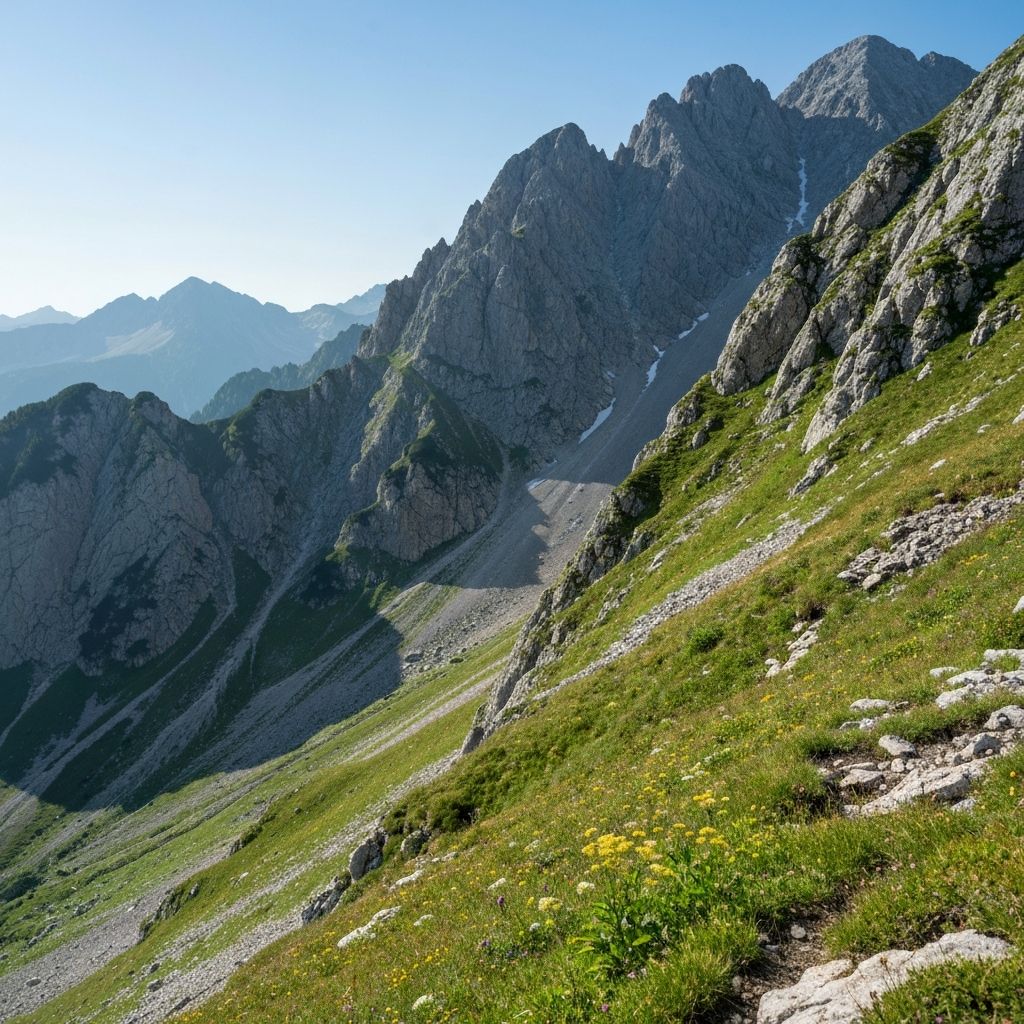
Active Living and Natural Support
Connection between physical activity and botanical nutrition
Supporting Active Lifestyles
Active individuals have varying nutritional needs depending on their physical pursuits. Natural formulations are designed to address these specific requirements through botanical support.
The connection between movement, physical exertion, and nutritional balance creates a context where plant-derived compounds play a meaningful role.
Understanding this relationship helps explain the growing interest in natural botanical approaches among those committed to active well-being.
See Related Content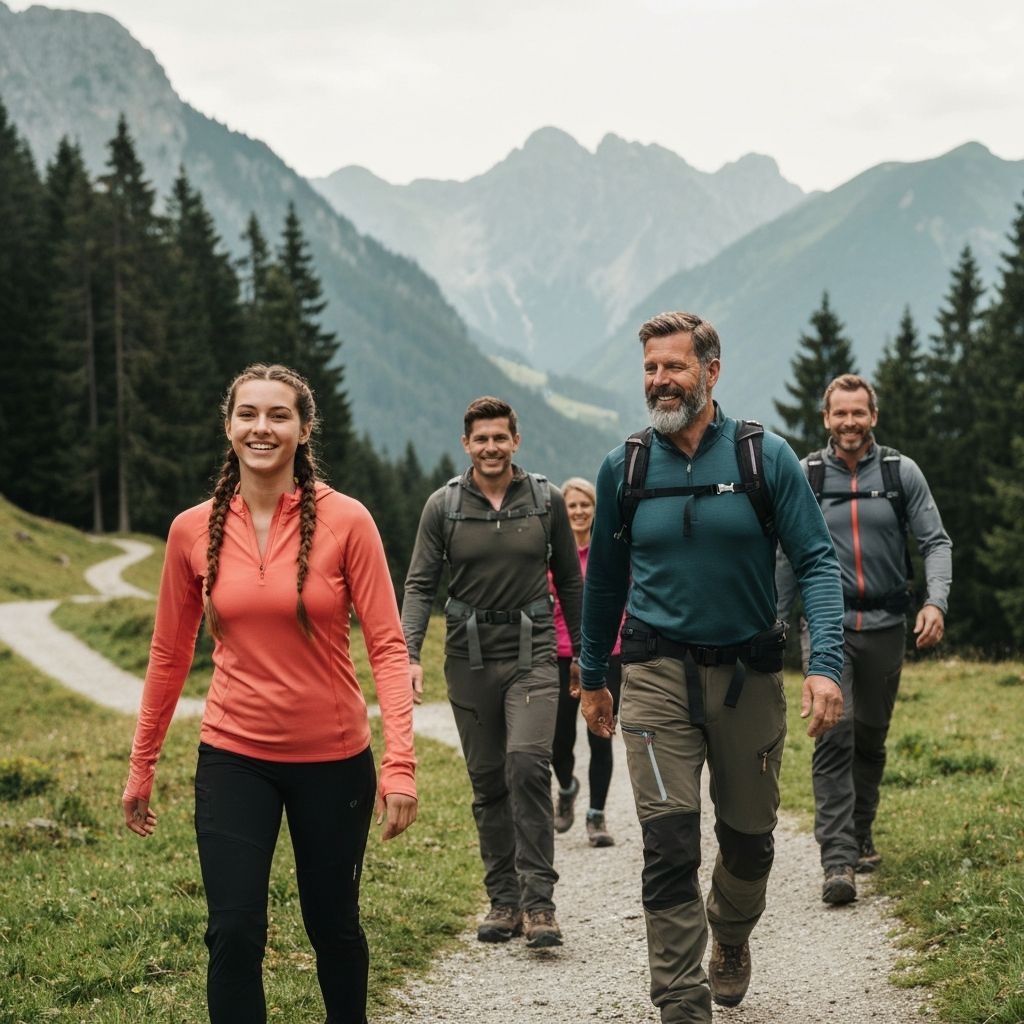
Scientific Research on Botanical Components
Current understanding of plant compounds and their properties
Data and Research Context
Contemporary scientific research continues to document the properties of various plant compounds. Studies examine how botanical ingredients behave in the body and their potential nutritional applications.
Phytochemicals—naturally occurring compounds in plants—are the focus of numerous peer-reviewed studies exploring their mechanisms and effectiveness in supporting physical systems.
This expanding body of knowledge provides the scientific foundation for modern formulation design and botanical application.
Continue Reading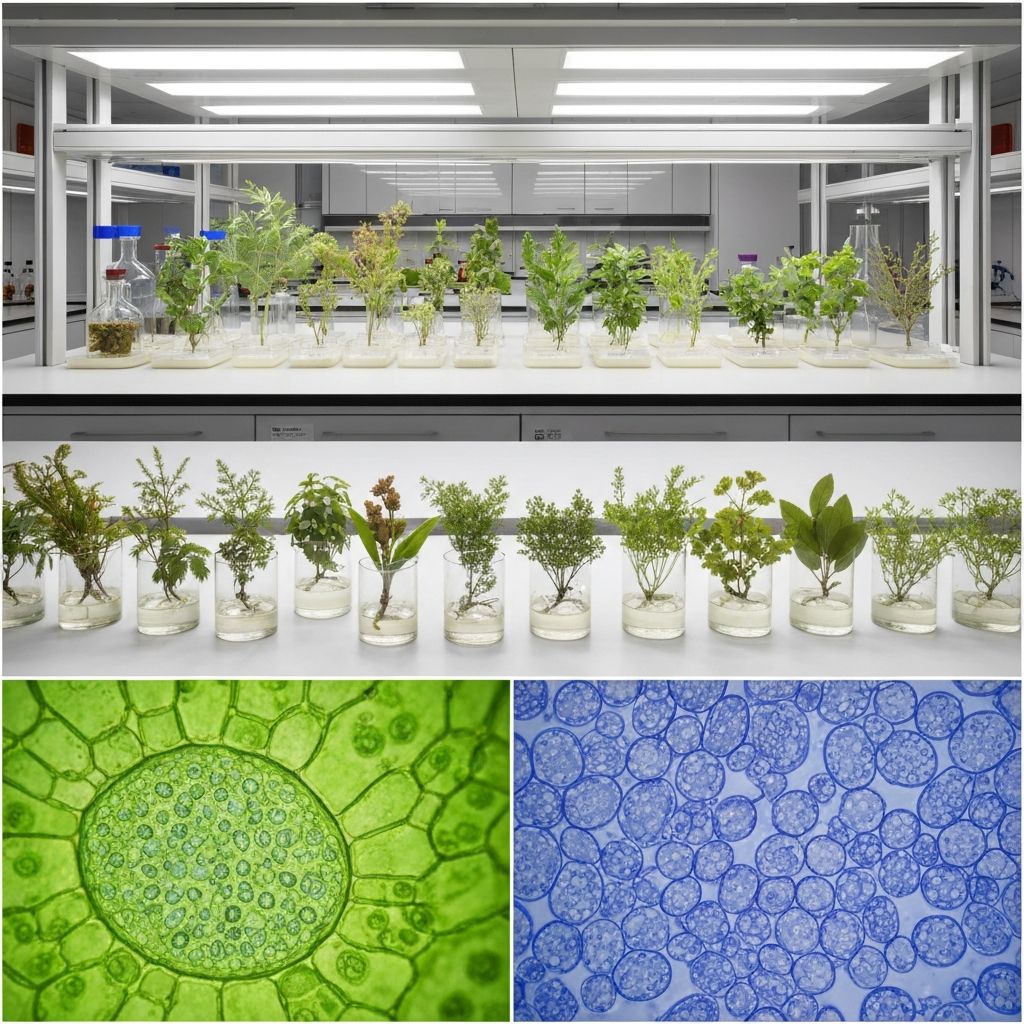
Natural Ingredients with Solid Structure
Examples of botanicals used in modern natural formulations
Hard-Structured Botanical Examples
Certain plant materials are prized for their dense, solid composition. Examples include barks, roots, seeds, and wood-like plant materials that have evolved structural integrity for environmental adaptation.
These botanicals often contain concentrated phytochemical profiles and have been used traditionally for their robust nutritional support. Modern formulations often include these resilient plant materials as key ingredients.
The physical structure of these plants often correlates with their nutrient density and traditional applications in wellness contexts.
Discover Details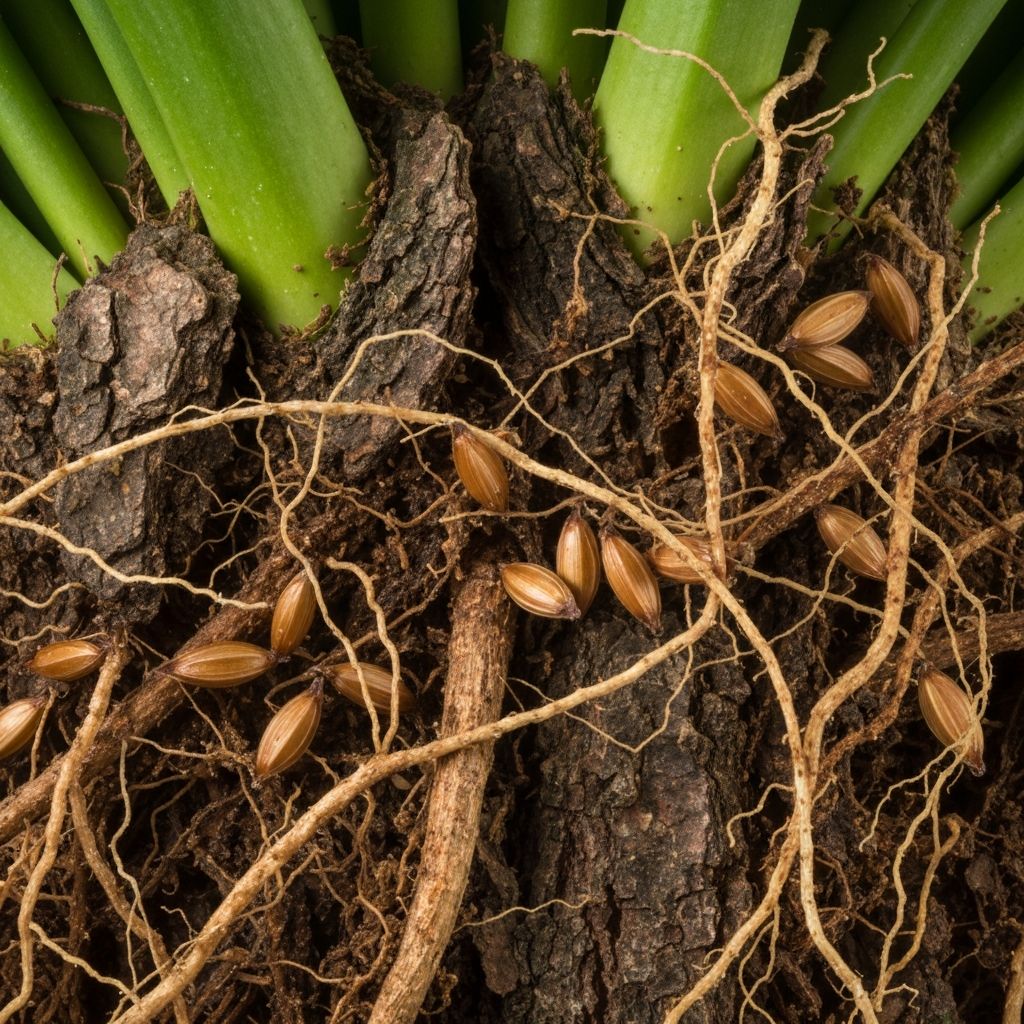
Educational Content Only
Educational content only. No medical services. No promises of outcomes.
The information on this website is for educational purposes only and should not be considered medical advice. The content represents general information about botanical ingredients and does not constitute a diagnosis, treatment, prescription, or recommendation. Results vary among individuals and are not guaranteed. Always consult with qualified health professionals before making changes to your wellness routine.